
What is Sleep Apnea?
Sleep apnea is a condition where the pharyngeal muscles in the back and sides of your throat relax so much when you sleep that your breathing is blocked for a few moments.
I want to screen myself for OSAWhen this happens, your brain notices a lack of oxygen in your blood, wakes you up just enough for your conscious mind to tense the muscles and take a breath. Then you fall into a deeper sleep again and the cycle continues – usually without you even noticing.
There are three types of sleep apnea
How it affects you
The end result of sleep apnea is that you may suffer from a lack of sleep and oxygen, and wake up exhausted. Your partner may also complain about your snoring. Some sleep apnea sufferers find themselves falling asleep at work or while driving.
Let’s break it down
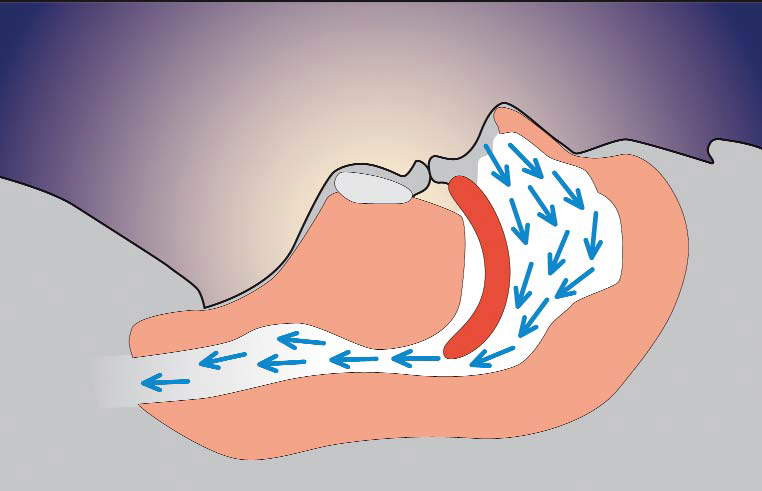
During normal sleep the muscles that control your tongue and soft palate hold the airway open.
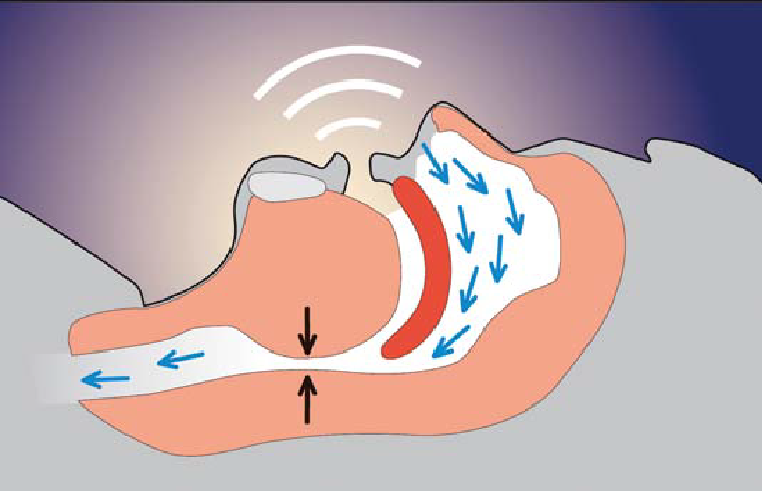
If these muscles relax, your airway may narrow partially, blocking the passage. As you breathe in, the soft or floppy part of the throat vibrates and the noise of snoring results.
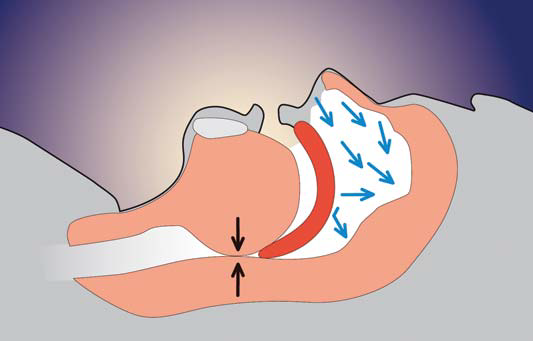
If your throat is already narrow, or the muscles relax too much, your airway can become completely blocked, preventing breathing. If this happens repeatedly in the night, you may have Obstructive Sleep Apnoea (OSA).
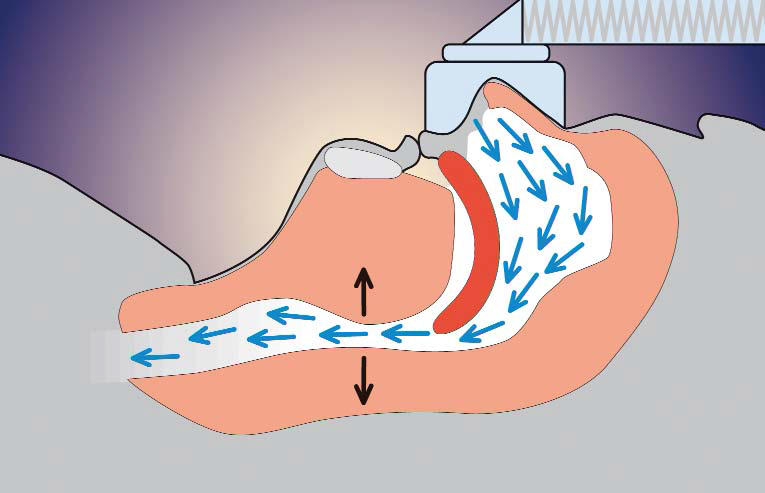
Continuous Positive Airway Pressure (CPAP) therapy provides light air pressure to hold your airway open and, as a result, allows for uninterrupted sleep throughout the night.