
The tubing is waterproof. It’s made up of corrugated plastic that is highly flexible and durable. Most masks consist of hard plastic and soft silicon, all of which are waterproof. The headgear attached to the mask is made up of a soft fabric which is not waterproof.
It is recommended that you wash your mask in clean warm (around 30°C) water with mild liquid detergent, making sure you rinse all components thoroughly before allowing them to dry naturally (i.e. air or drip dry). Make sure you do not soak the mask. If you’re running short of time our mask wipes are a fast and easy cleaning option that can be used on any mask. Simply wipe out the mask and leave to dry naturally. Avoid soap with conditioners or moisturisers. Do not use bleach, alcohol, or cleaning solutions containing alcohol. See our printable cleaning guideline here. For more specific instructions on cleaning your mask, please refer to your mask user guide.
After each use, we recommend that your humidifier chamber is washed out with a mild detergent and warm water. Once a week we recommend your humidifier chamber is soaked in 1 part vinegar and 5 parts warm water for 30 mins to kill any potential bacteria build up. Rinse thoroughly and allow it to dry away from direct sunlight before your next use. Replace the chamber if it is leaking or has become cracked, cloudy or pitted or the humidifier seal is cracked or torn. See our printable cleaning guideline Click Here to view our CPAP cleaning card. Our cleaning recommendation is a general guide only. Always refer the equipment user manuals for detailed cleaning instructions for your specific equipment as humidifier cleaning methods can differ between equipment manufacturers.
Yes, a mild liquid detergent can be used when cleaning your mask. Avoid soap with conditioners or moisturisers. Do not use bleach, alcohol, or cleaning solutions containing alcohol.
No. Do not add anything other than water to your humidifier chamber (preferably distilled water). Your CPAP device delivers humidity to your airway and lungs, adding oil could cause nasal and lung irritation.
Patient education on device maintenance is important in reducing the risk of infection. Proper upkeep of your CPAP device can help ensure the device functions properly and proper equipment hygiene is maintained for your safety. For example, humidifiers are a potential source of Legionnaires’ disease and other equipment may build up harmful bacteria and mould if not cleaned regularly.
Sources: Philips, Australian Department of HealthThird-party websites. The information on them is not controlled by Air Liquide Healthcare.
We offer a mask/hose soap and wipes that are specifically designed for this purpose.
Click Here to view our range of CPAP cleaning products.
We don’t currently have this automation set up but it’s something we may consider looking at in the future.
Click Here to view our cleaning card
Avoid using soaps containing conditioners or moisturisers. We offer a mask & hose soap that is spefically designed for this purpose.
Click Here to view our range of CPAP cleaning products
We encourage you to have your CPAP, APAP or bilevel sleep apnea device pressure tested to ensure you are still receiving the correct pressure. Utilising a pressure manometer, we test the device to ensure it reaches and maintains the pressure that is set. Depending on the results of the general servicing, we may have to send it to the manufacturer for further assessment.
The safety and quality of your water supply may be the key consideration in deciding whether to use distilled water in the humidifier. Boiling water will kill microbes, but it will not remove minerals or chemical contaminants. These minerals that make water “hard” include calcium, magnesium, iron, and others. If they are present in the water put in the humidifier’s water chamber, over time scale will develop that discolors the container and could damage the device. Filtered water may remove some of the minerals but may not remove living organisms or other chemicals. Bottled water that has been distilled may be an alternative option to regular tap water. The use of distilled water will maximize the life of the water tub by reducing the buildup of mineral deposits. Distilled water is available to buy at many grocery stores
Source: Very Well HealthThird-party website. The information on it is not controlled by Air Liquide Healthcare.
It is not advisable to clean your equipment in a dishwasher or washing device as it could become damaged. CPAP masks are not dishwasher safe because they cannot withstand the high temperatures and dramatic temperature changes of a dishwasher cycle.
This can cause the plastic to wear down and break. It is better to clean the mask and the tubing by hand in warm, soapy water. Always refer the equipment user manuals for recommended cleaning instructions for your specific equipment.
Sources: Safe Sleep Systems, Very Well HealthThird-party websites. The information on them is not controlled by Air Liquide Healthcare.
This is most likely a build up of calcium deposits as a result of using regular tap water in your humidifier chamber. Follow our cleaning guide to remove the build up of calcium. We recommend using fresh distilled water in your humidifier before starting your therapy. Distilled water prevents mineralisation in the humidifier and helps extend its operating life.
What to do daily, weekly, monthly and yearly
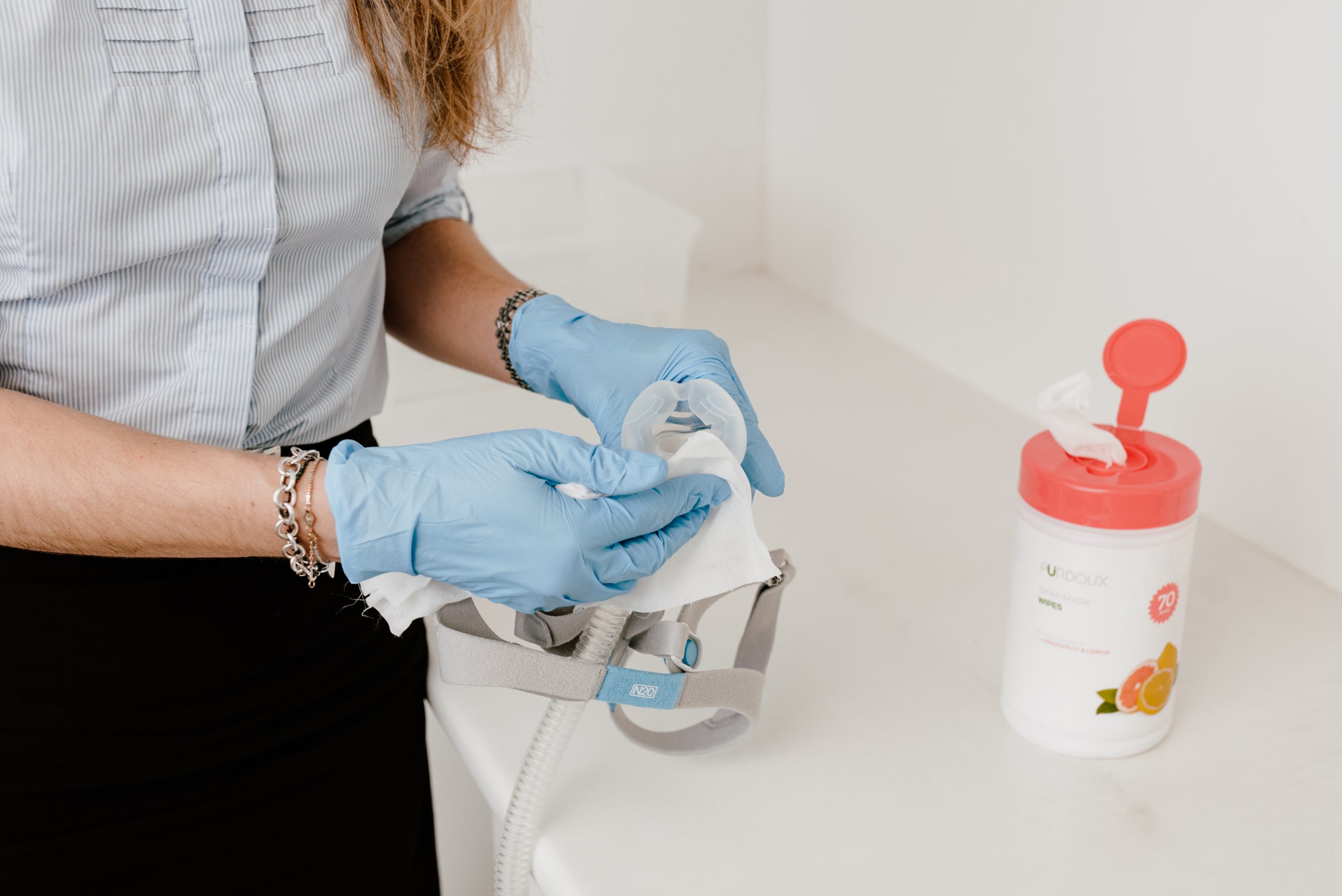
Daily
- Wipe Cushion with CPAP MASK WIPES
(warm soapy water can also be used) - Air dry during the day
(Avoid direct sunlight)
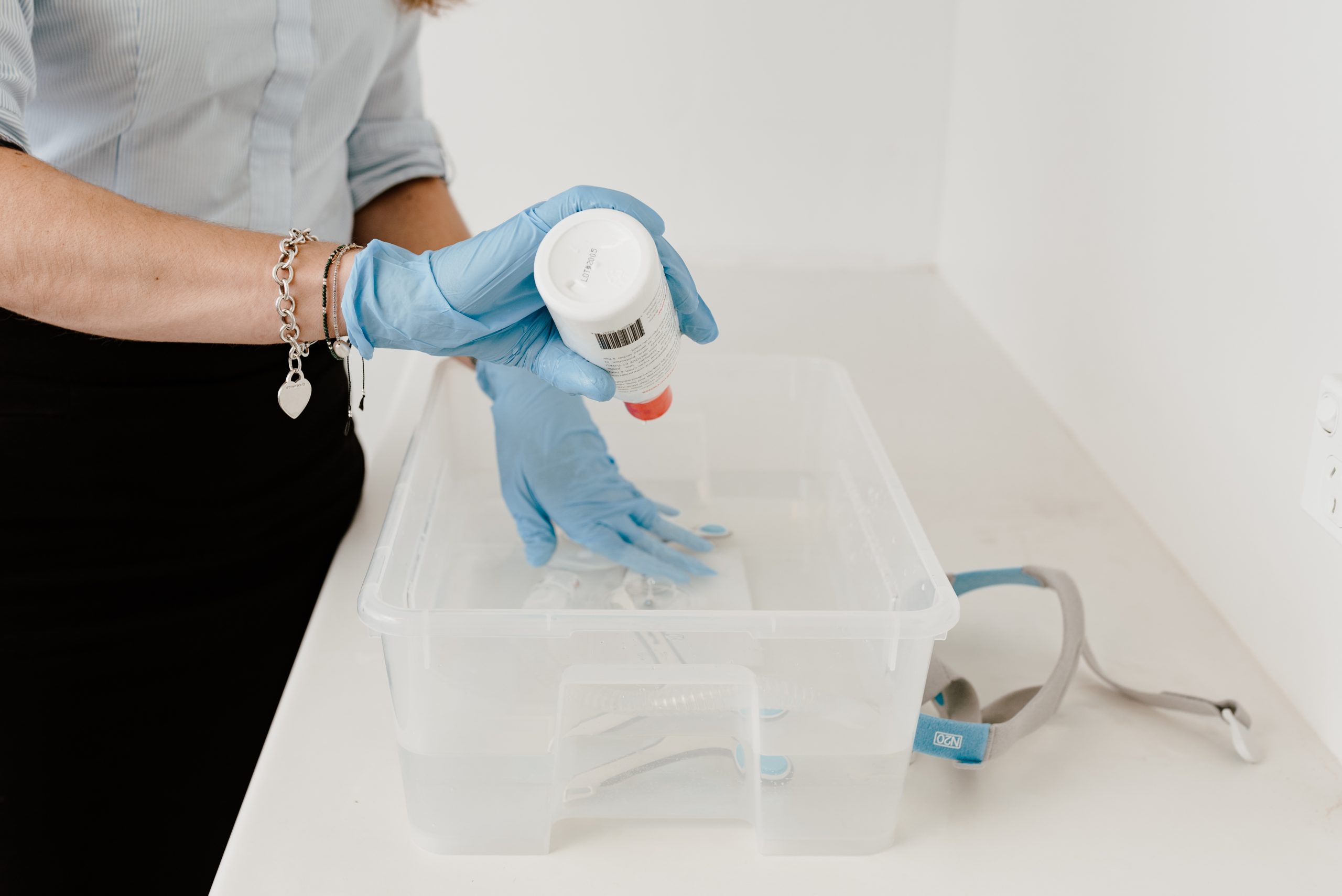
Weekly
- Hand wash all parts with Mask & Hose Soap
(warm soapy water can also be used) - Air dry during the day
(Avoid direct sunlight)
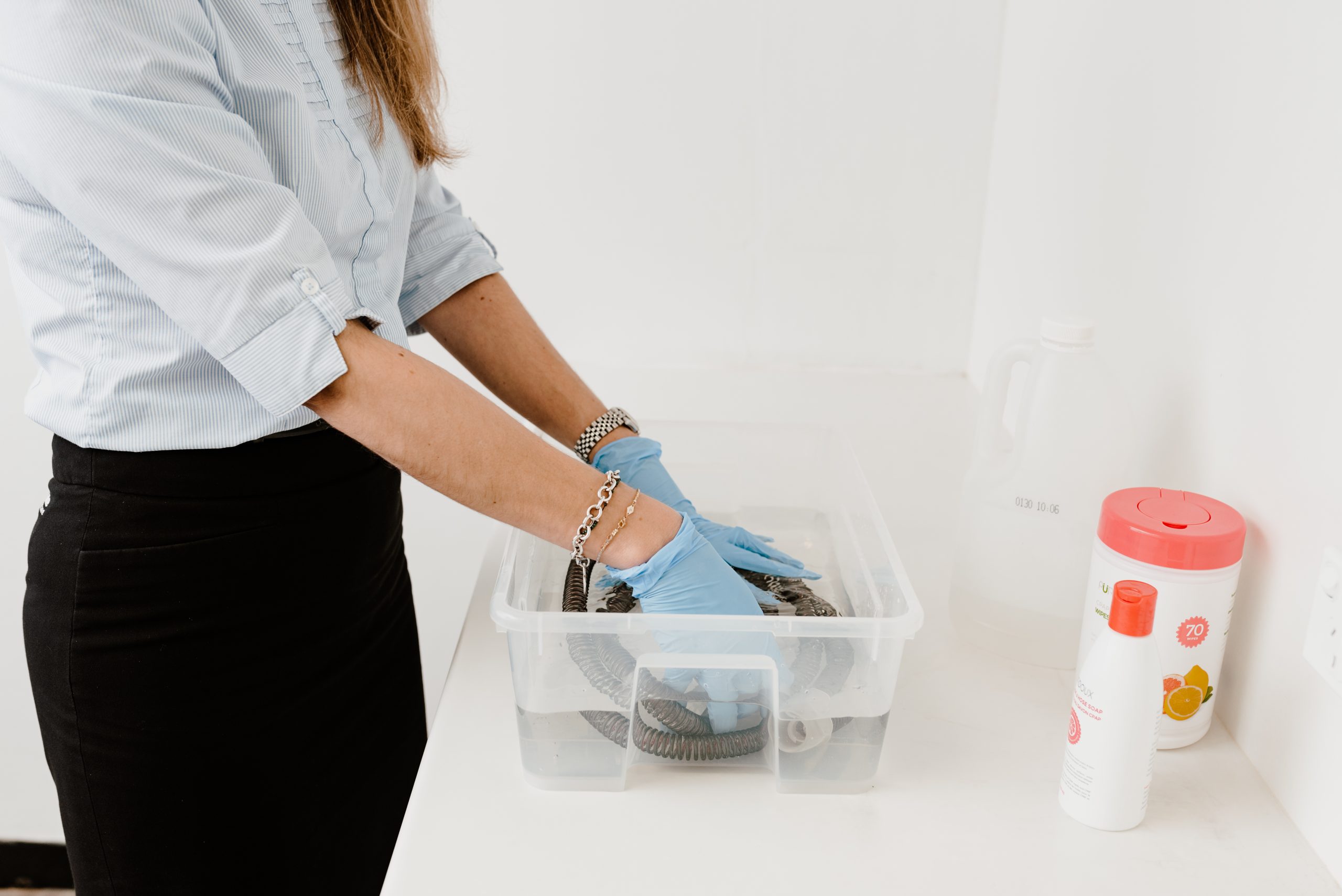
Weekly
- Hand wash all parts with Mask & Hose Soap
(warm soapy water can also be used) - Air dry during the day
(Avoid direct sunlight)
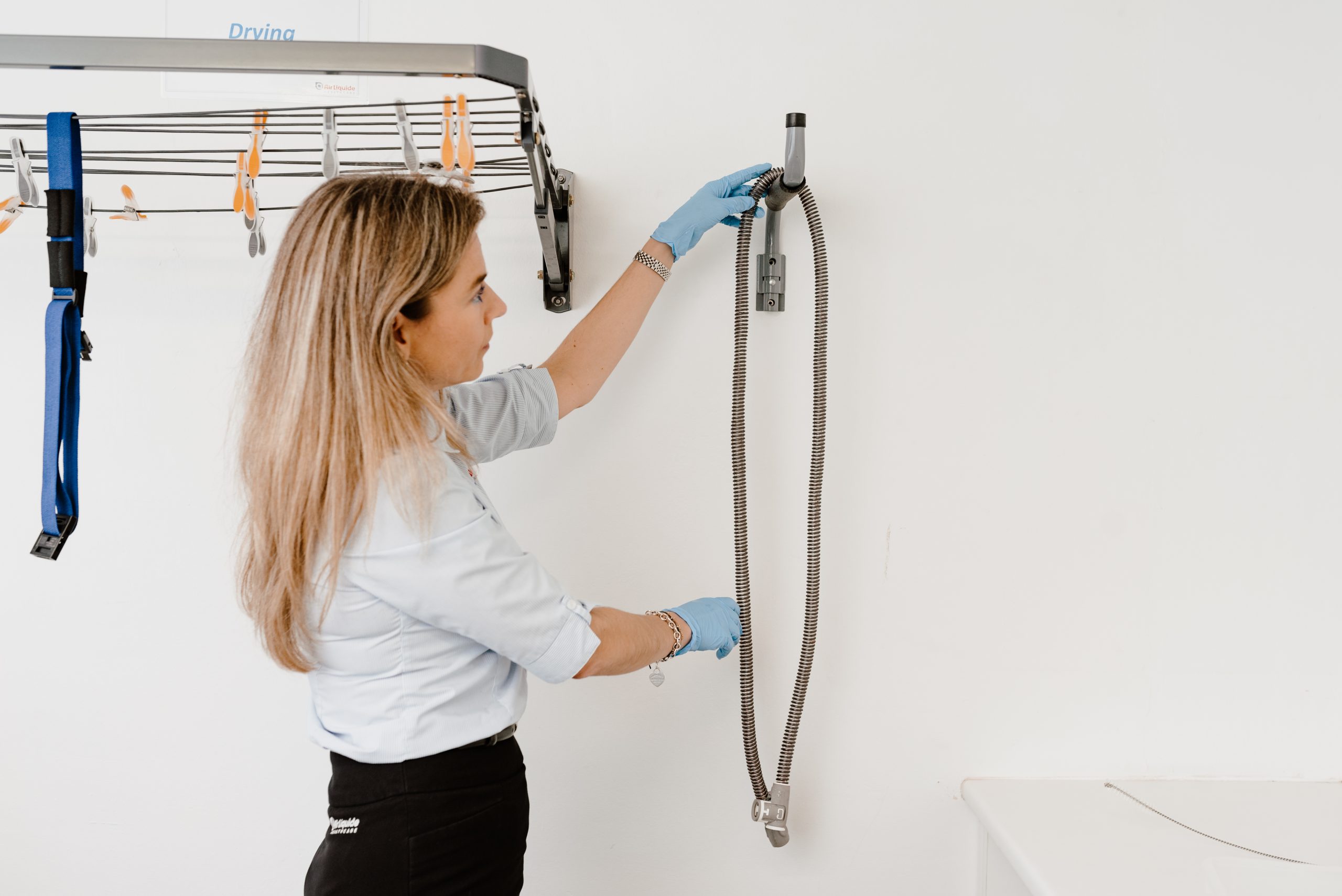
Monthly
- Check for holes
and damage
Daily
- Remove humidifier
- Empty remaining water
- Rinse with warm water
- Air dry during day
(avoid direct sunlight)
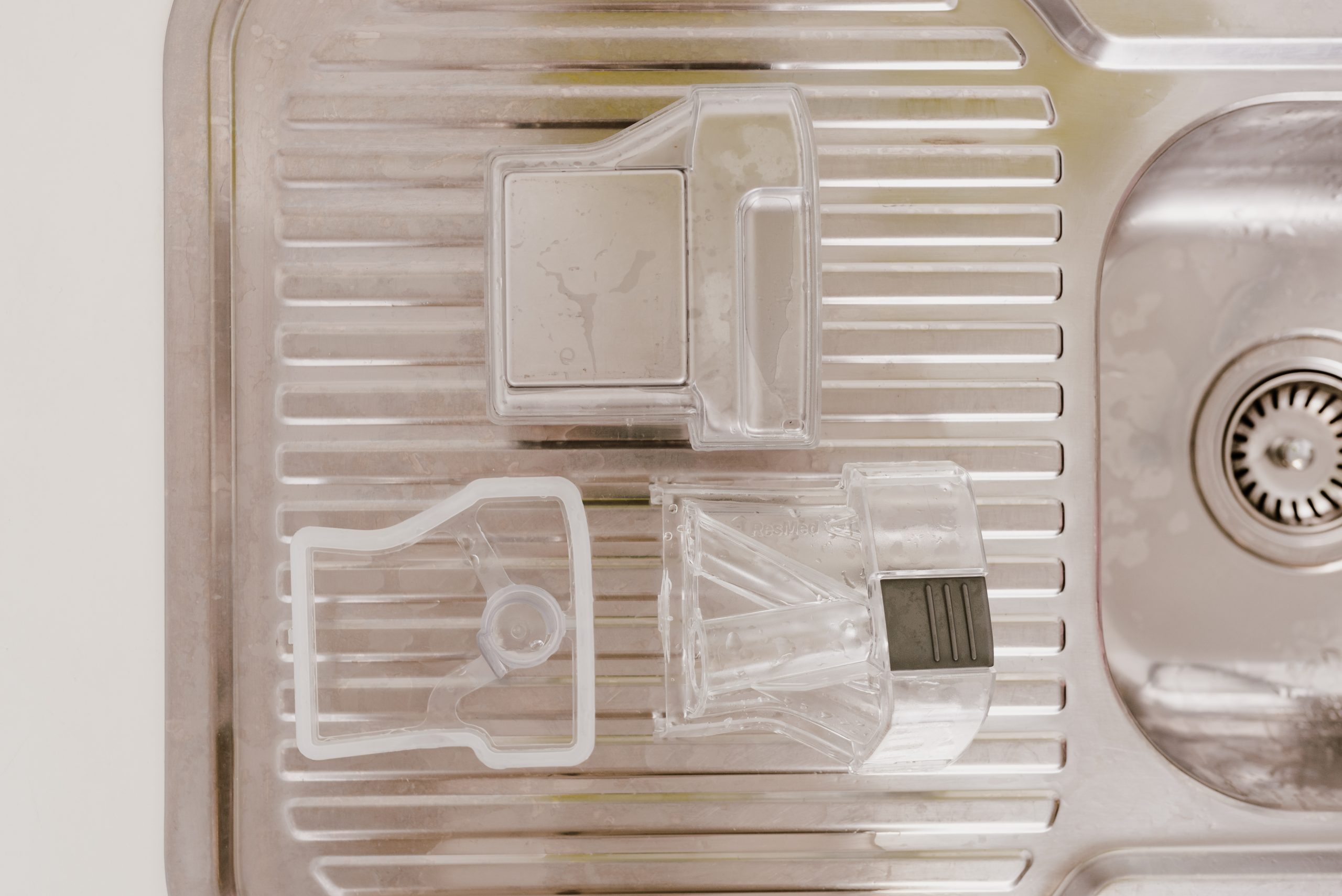
Weekly
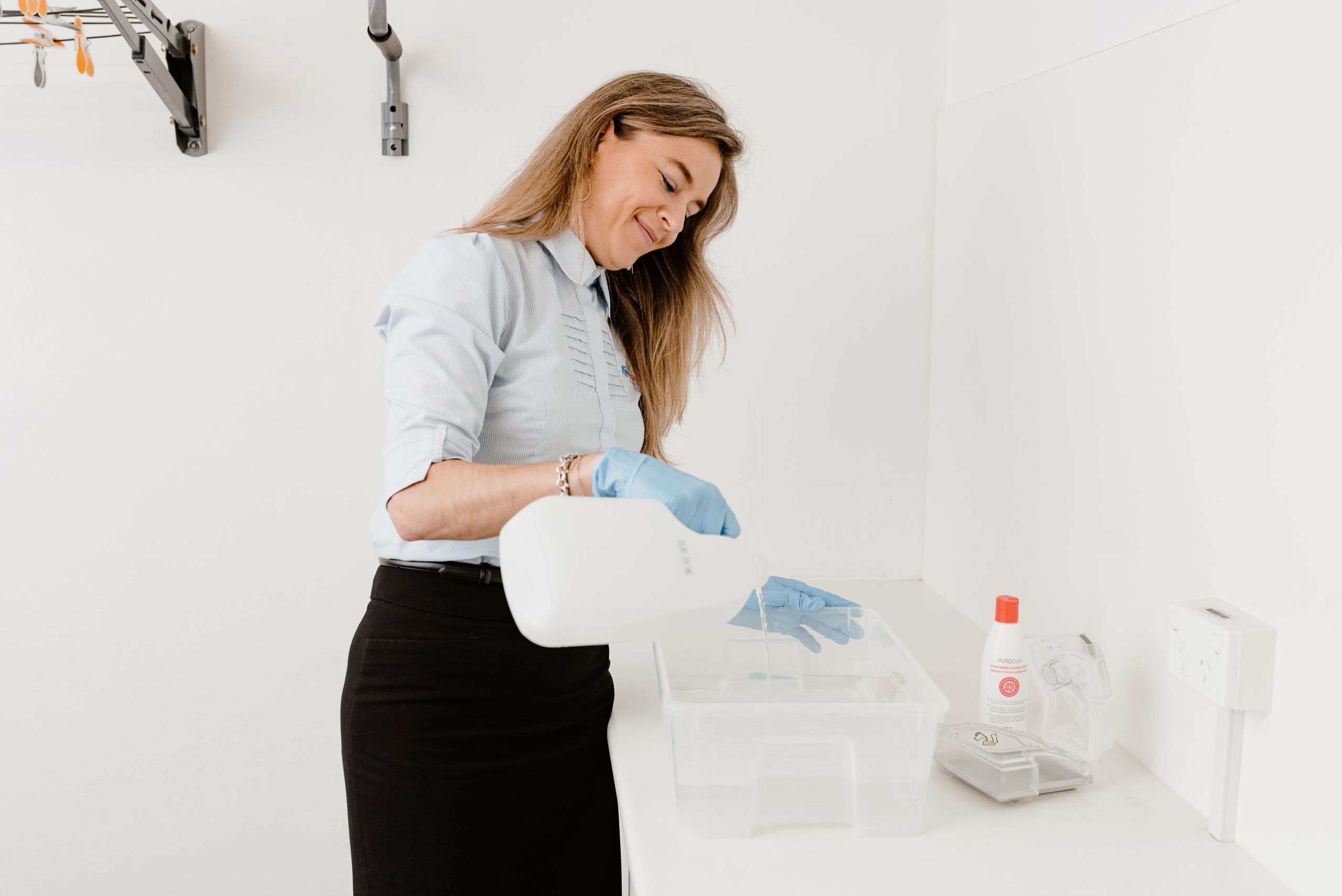
- Dismantle humidifier
- Soak 30 mins in 1 part
vinegar and 5 parts
warm water - Rinse thoroughly
before next use
Weekly
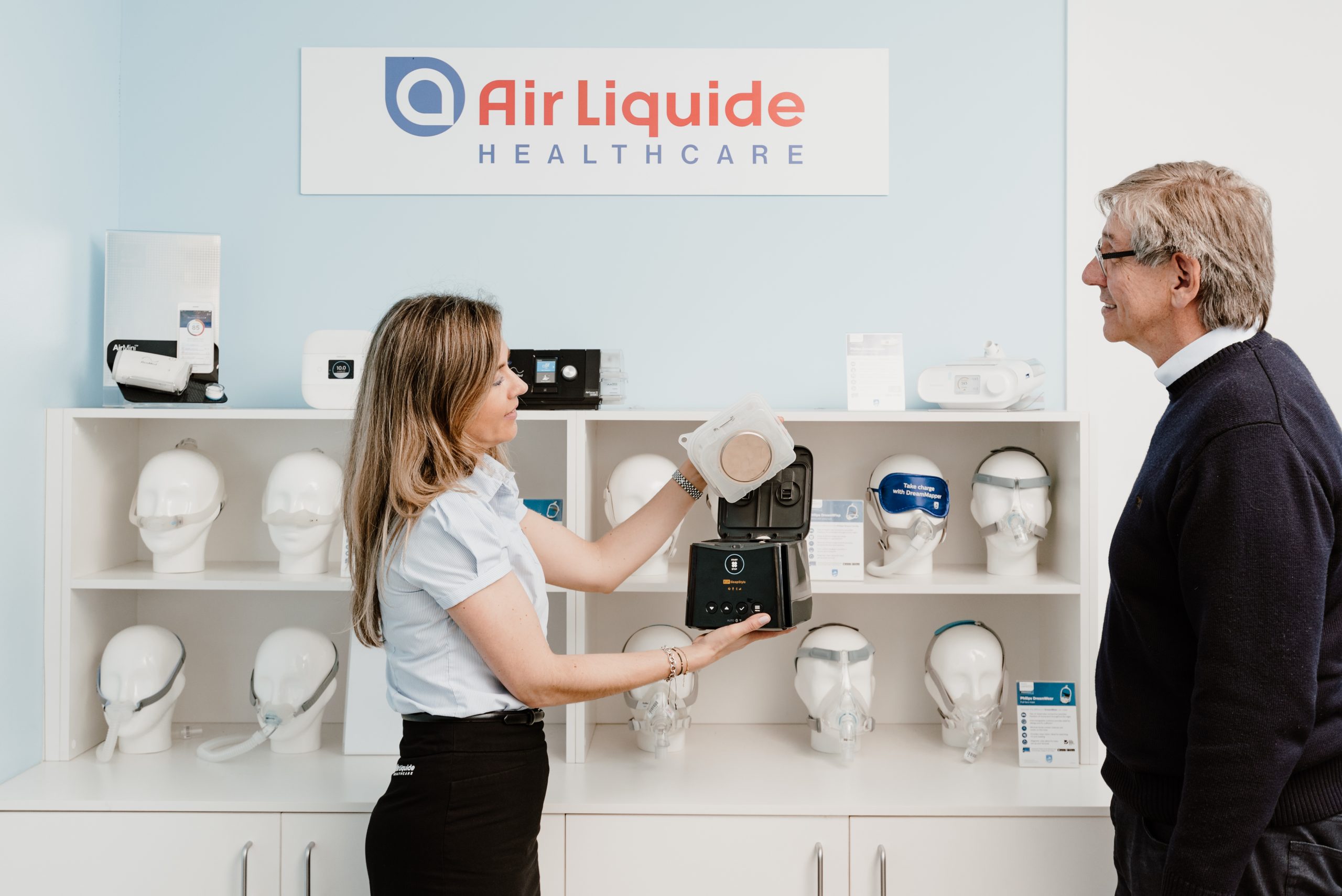
- Check for dust build up
- Ensure filter is not rotated when returned to machine
(can suck debris into motor)
1-6 Months
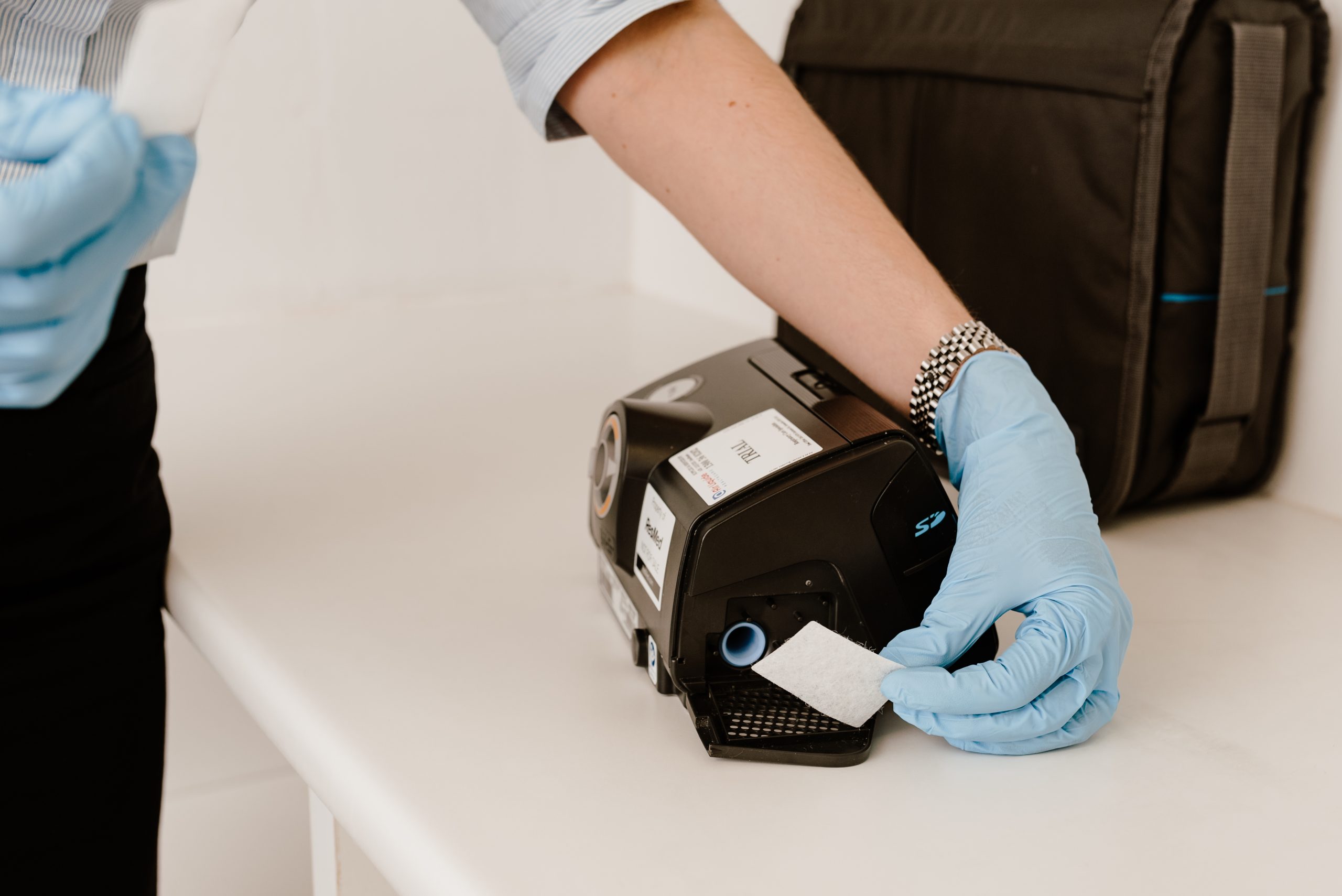
- Replace filters as needed
Step by Step Cleaning Guide
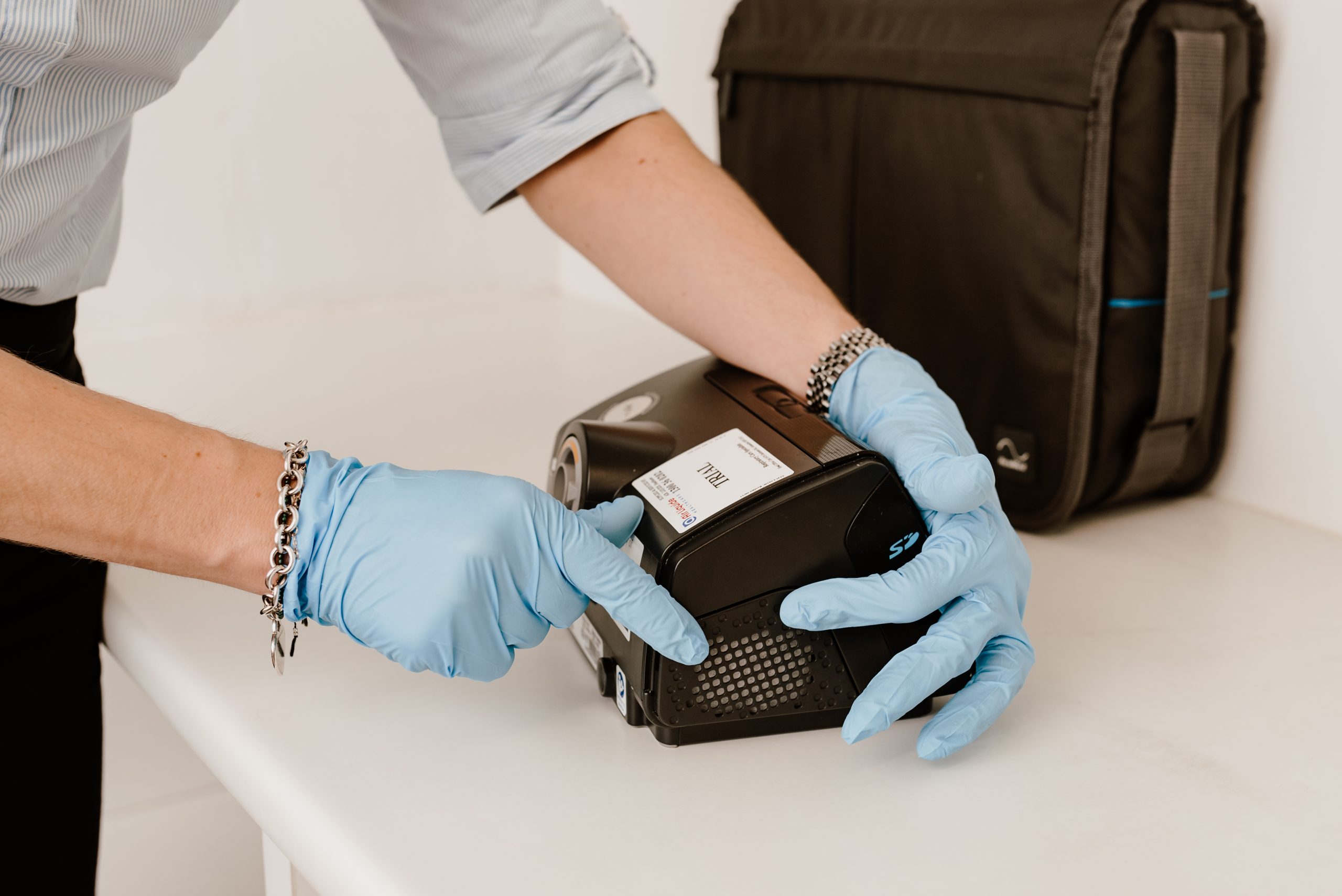
Step 1: Unplug your PAP device from the power source and place on a flat surface. Open the air filter cover.
Step 2: Remove air filter and assess cleanliness, if white place back on cover. If discoloured, dispose in bin and replace with new air filter. The air filter is not washable and should be changed every 1-6 months.
Step 3: Remove the humidifier chamber, empty remaining water and dismantle parts where possible.
Step 4: Fill basin with 1 part vinegar, 5 parts warm water. Soak for 30 mins.
Step 5: Remove humidifier chamber from basin and rinse thoroughly. We find a bottle brush to be an effective cleaning tool.
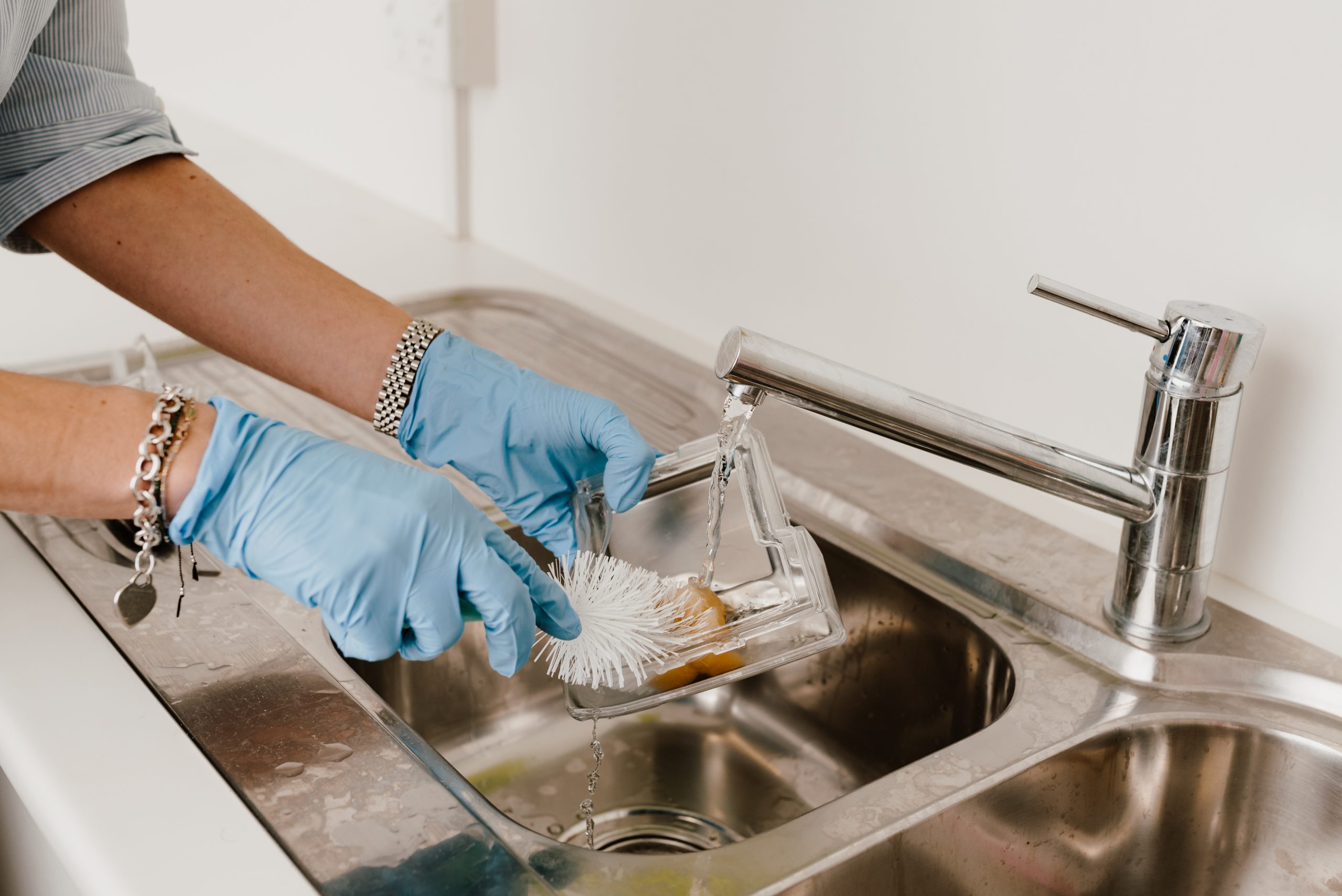
Step 6: Air dry during the day and avoid direct sunlight.
Step 7: Fill basin with warm soapy water. Avoid using strong cleaning products including dish detergents as they may damage the mask or leave harmful residue.
Step 8: Disassemble all mask parts.
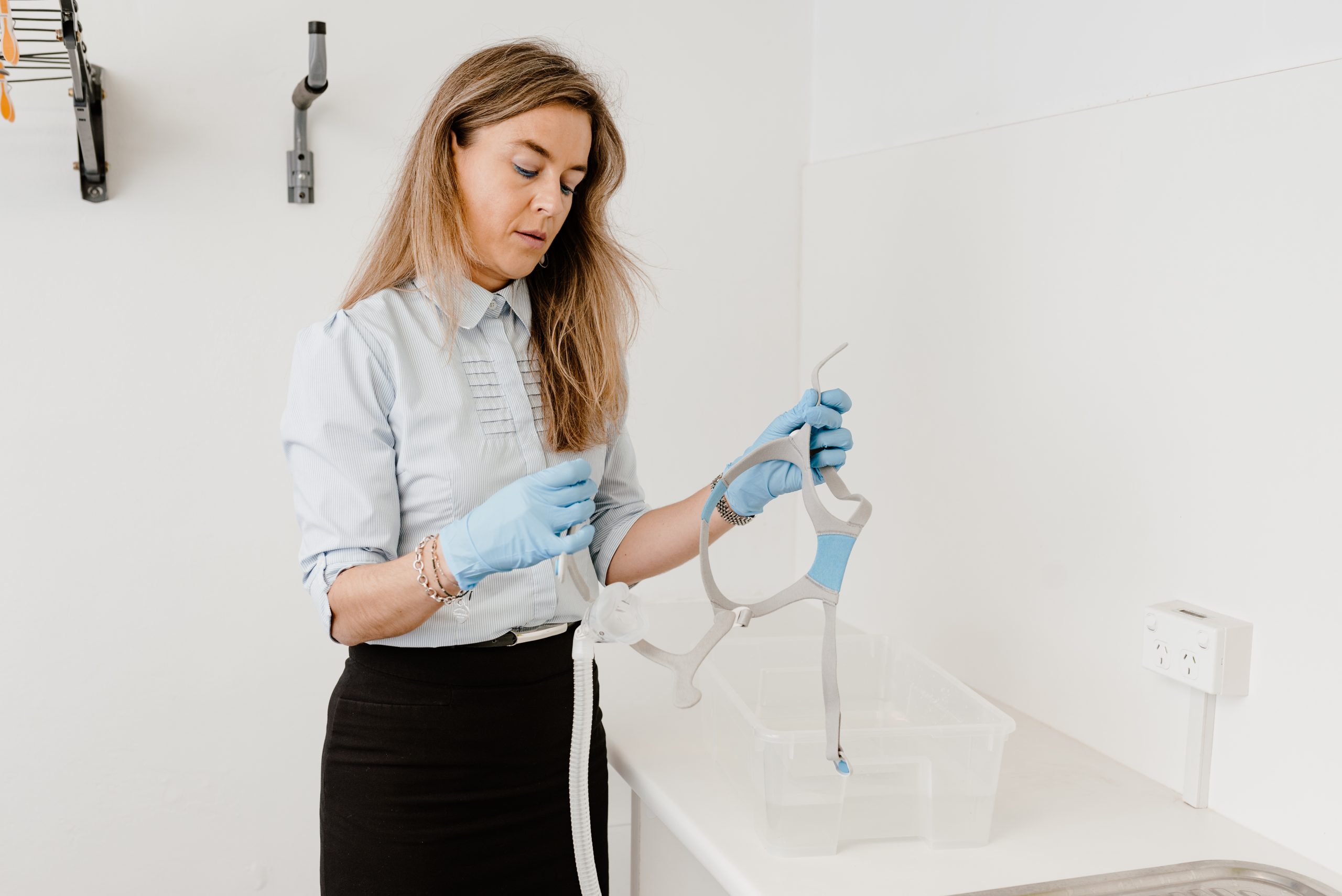
Step 9: Submerge all mask parts in water including headgear. Gently rub mask parts with hands to remove any oils.
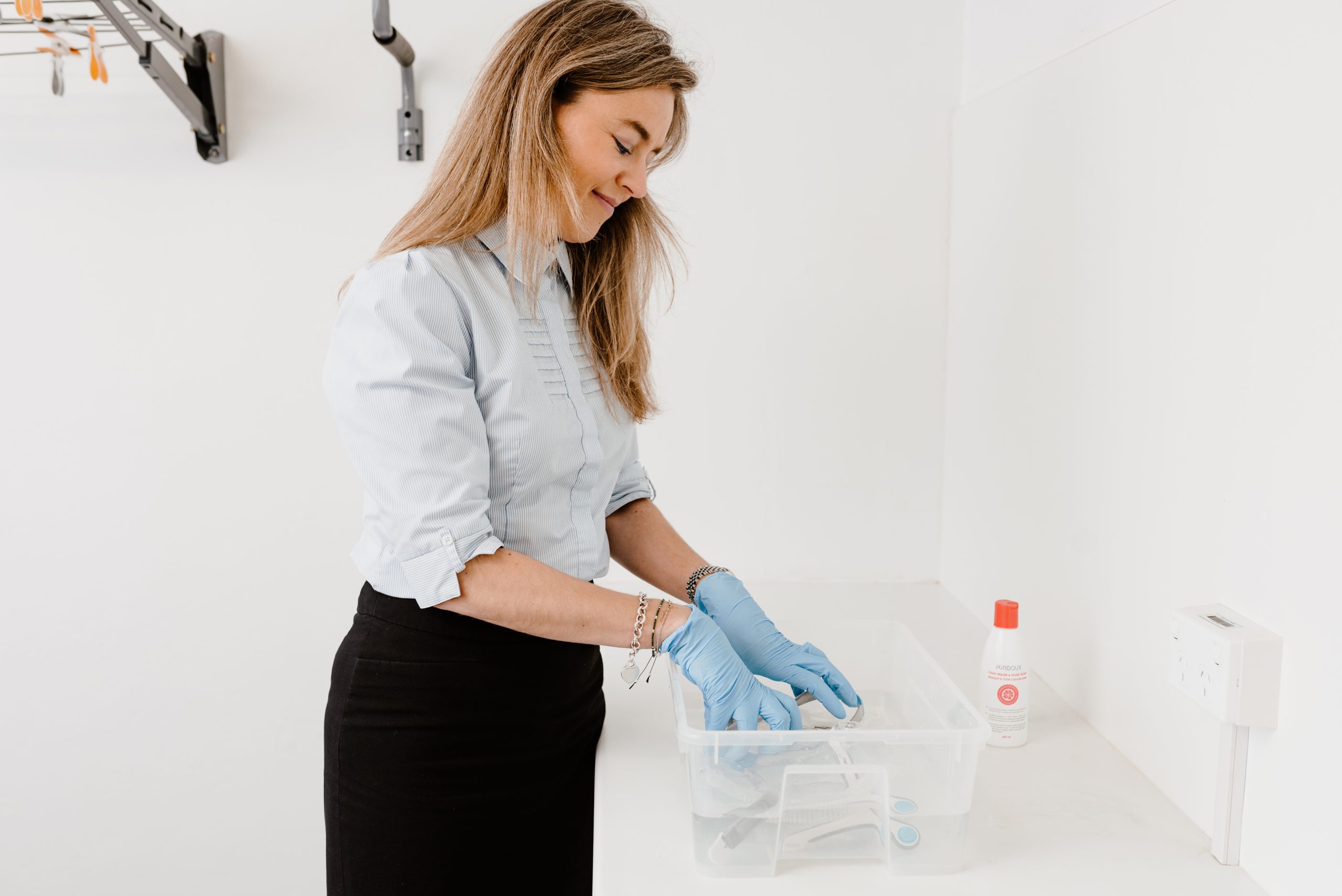
Step 10: Rinse all parts thoroughly then let air dry during the day on a flat surface. Headgear can be hung to dry quicker. Avoid direct sunlight.
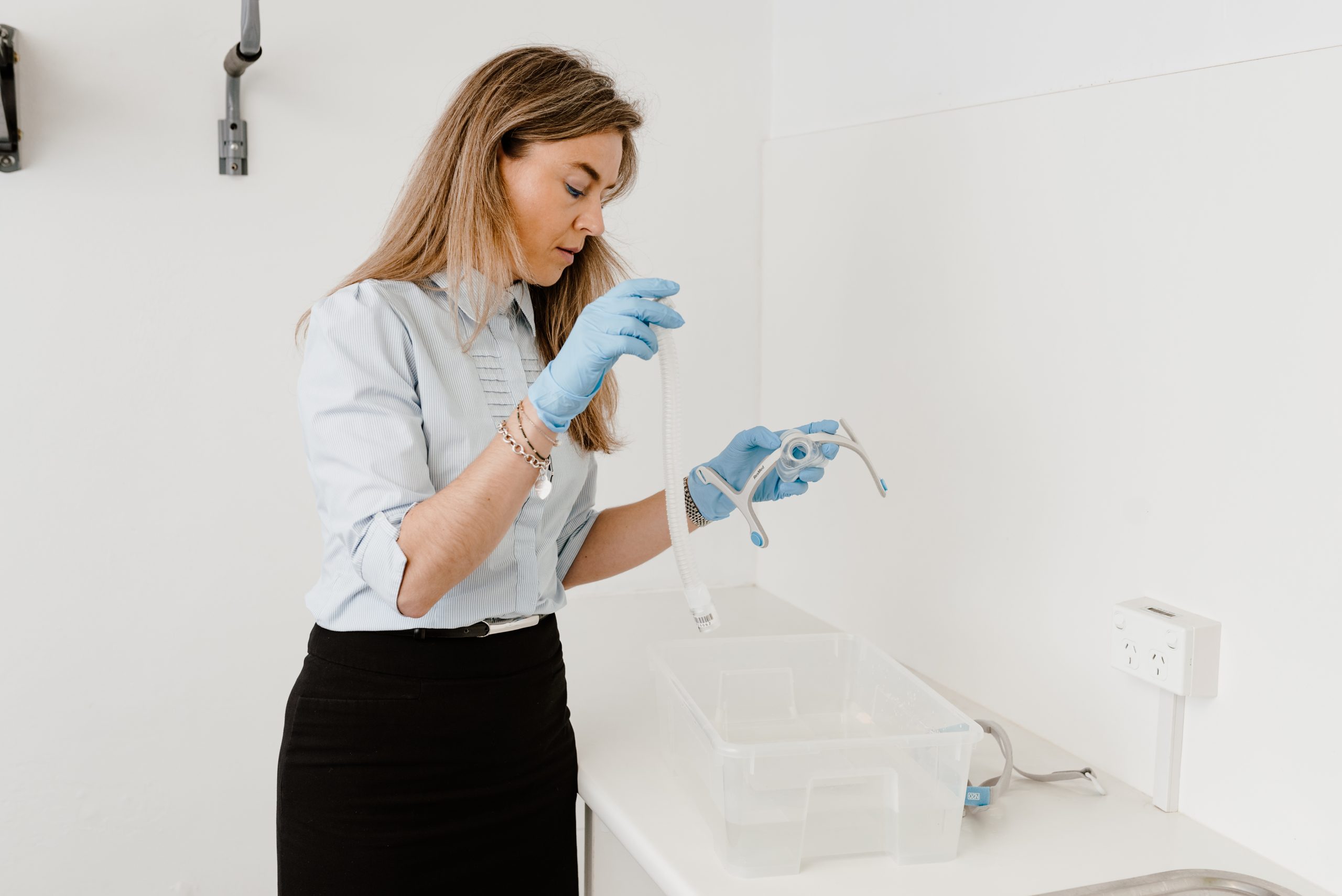
Step 11: Your mask can be cleaned daily using mask wipes. Wipe cushion, frame and tubing (if applicable) then let air dry. Avoid direct sunlight.
Step 13: Disconnect your air tubing from your
mask and PAP device. Fill a basin with warm soapy water. Avoid using strong cleaning products, including dish detergents, as they may damage the air tubing or leave harmful residue.
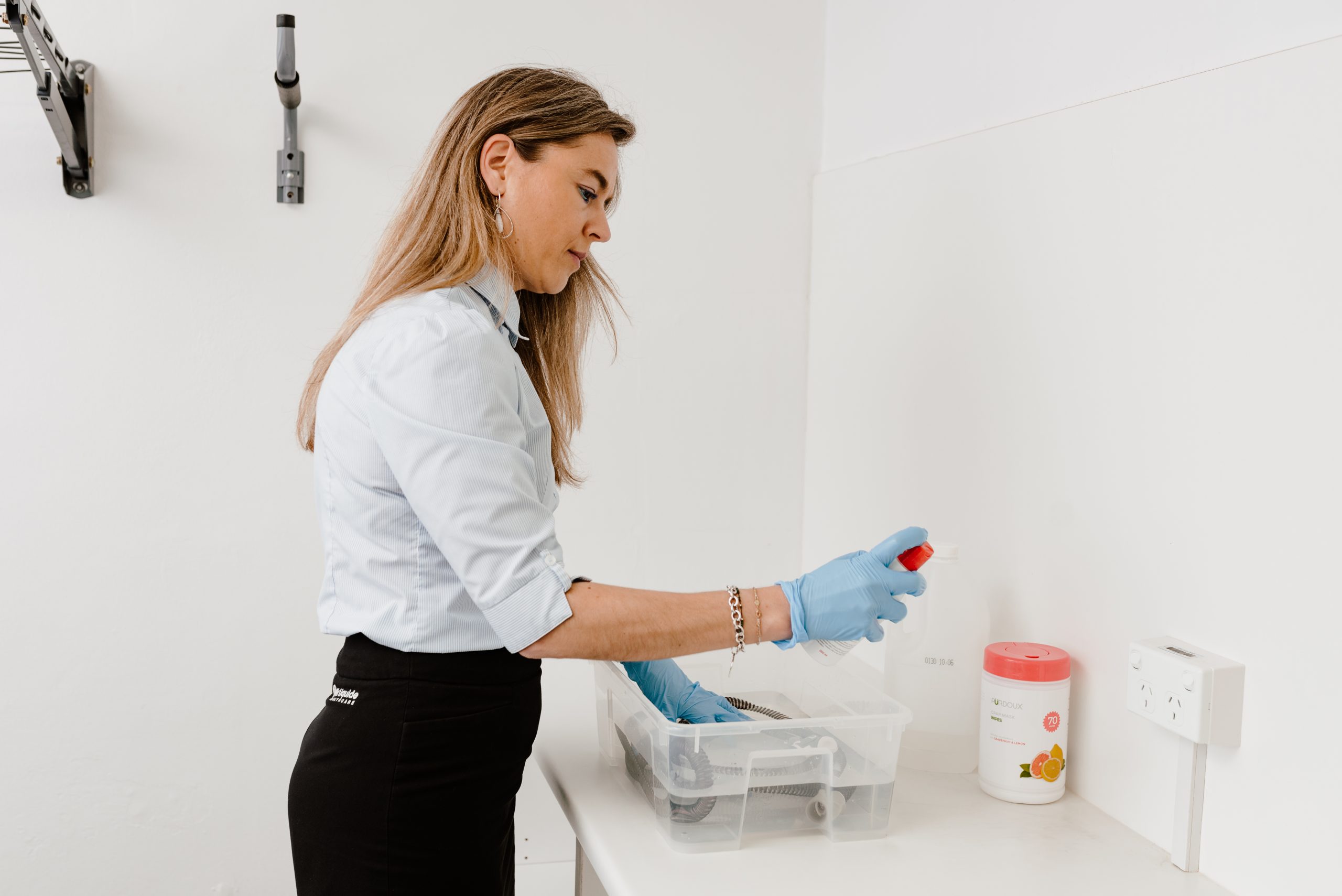
Step 14: Submerge the air tubing in the warm soapy water allowing water to pass through the tubing.
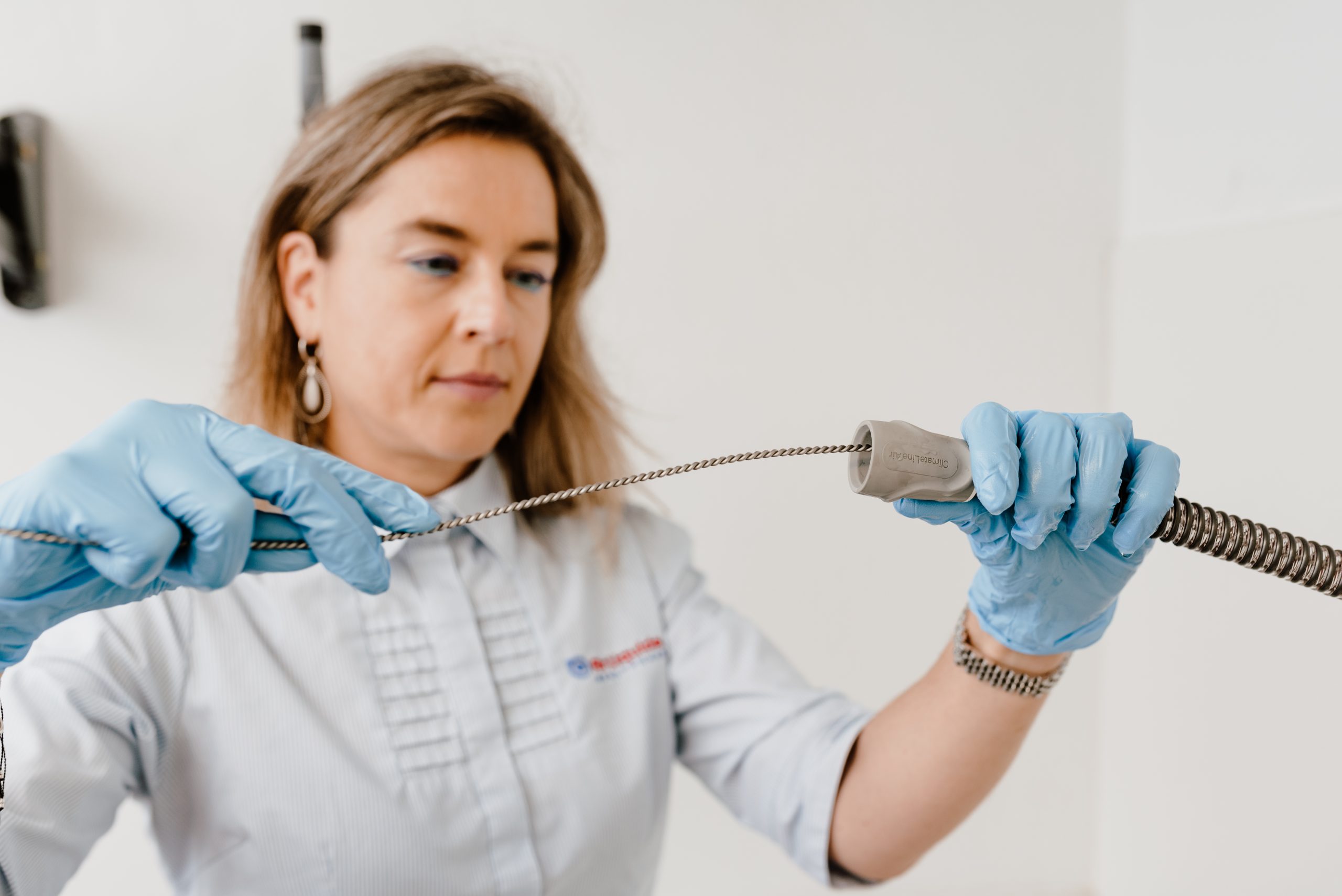
Step 15: Use a tubing brush to help scrub the inside of the air tubing.
Click Here to Buy Tubing Brush
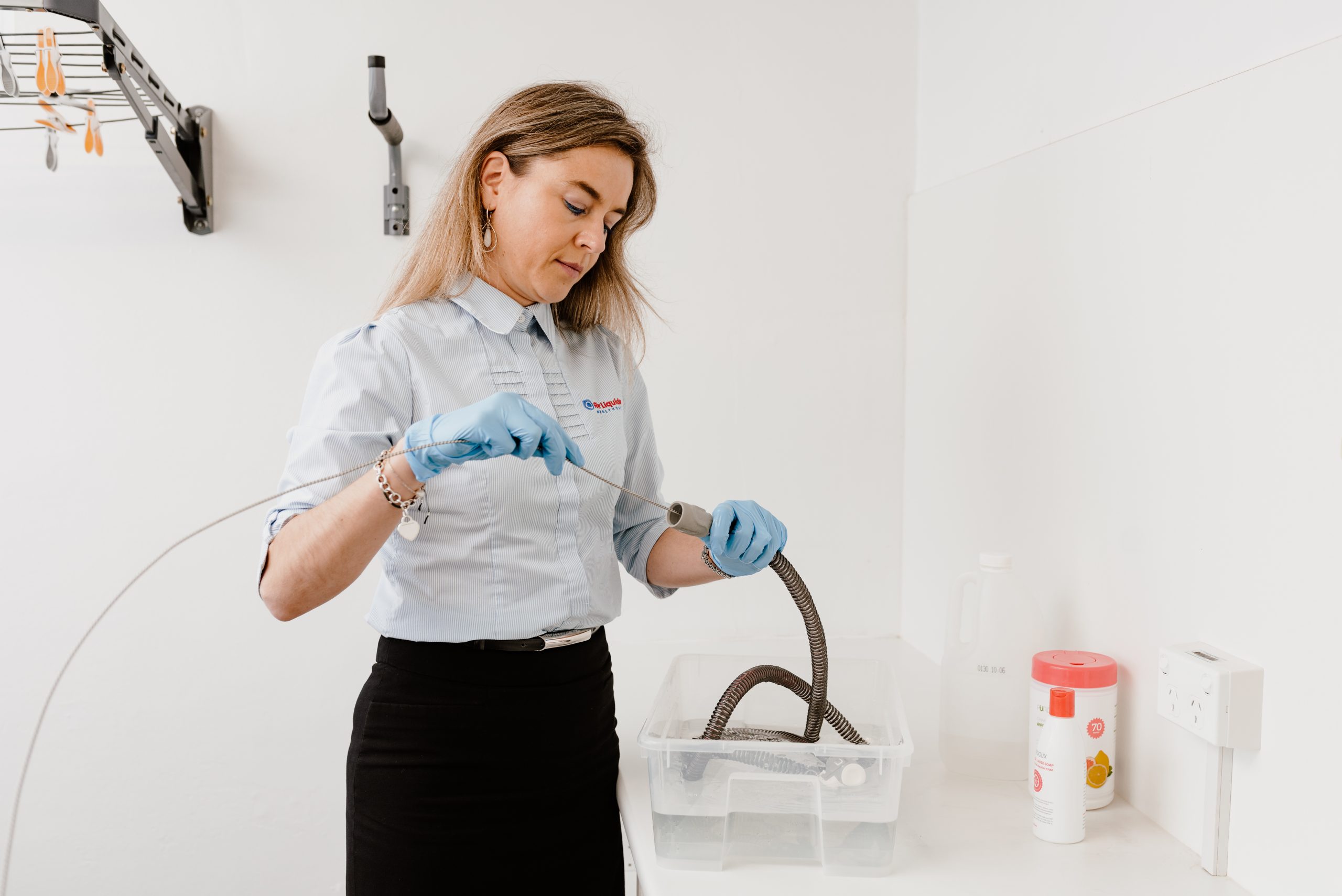
Step 16: Move the tubing brush forward and backward for effective cleaning.
Click Here to Buy Tubing Brush
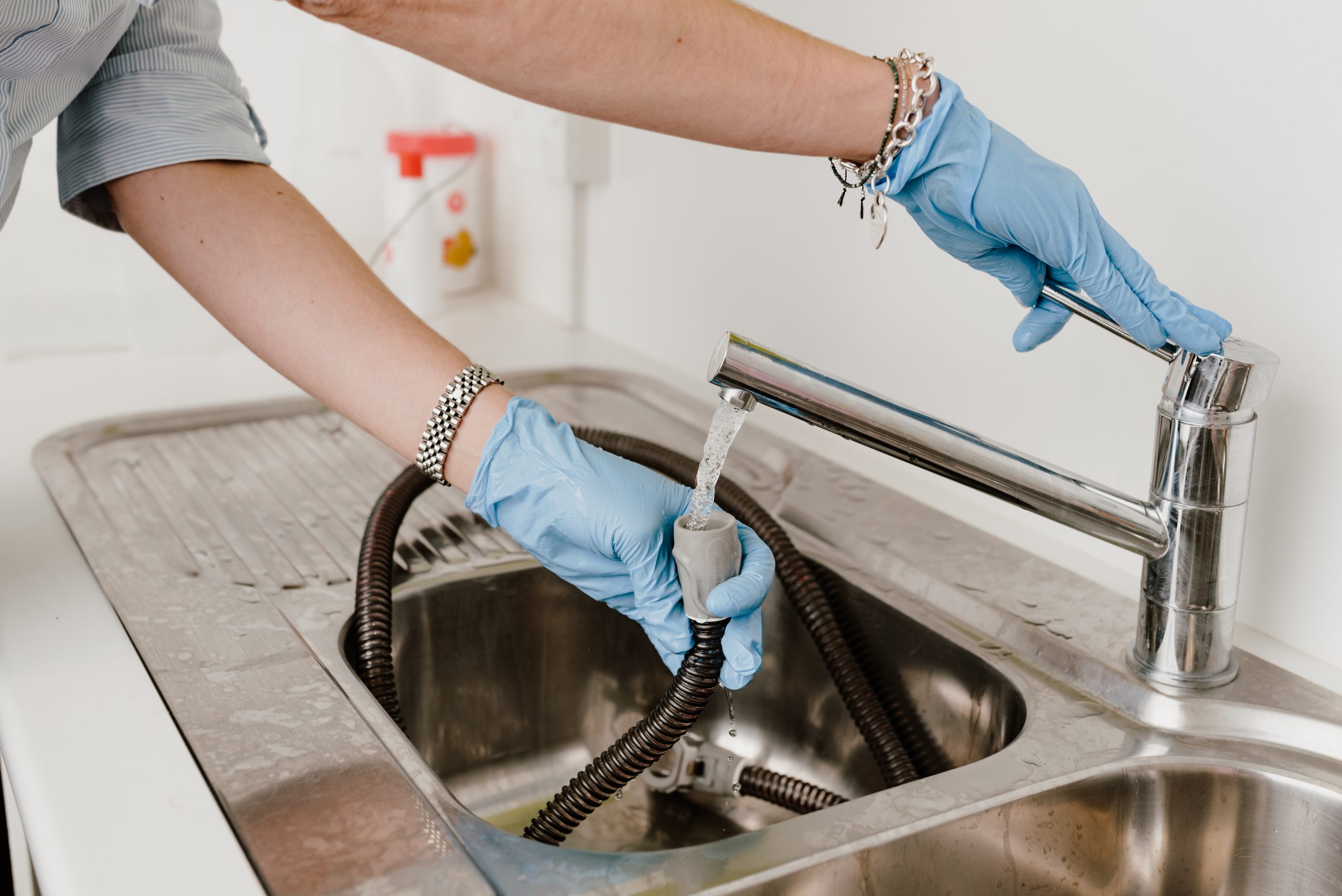
Step 17: Run warm water around and through the air tubing until all soap has been removed.
Step 18: Lift air tubing in a vertical motion to allow all water to escape from inside.
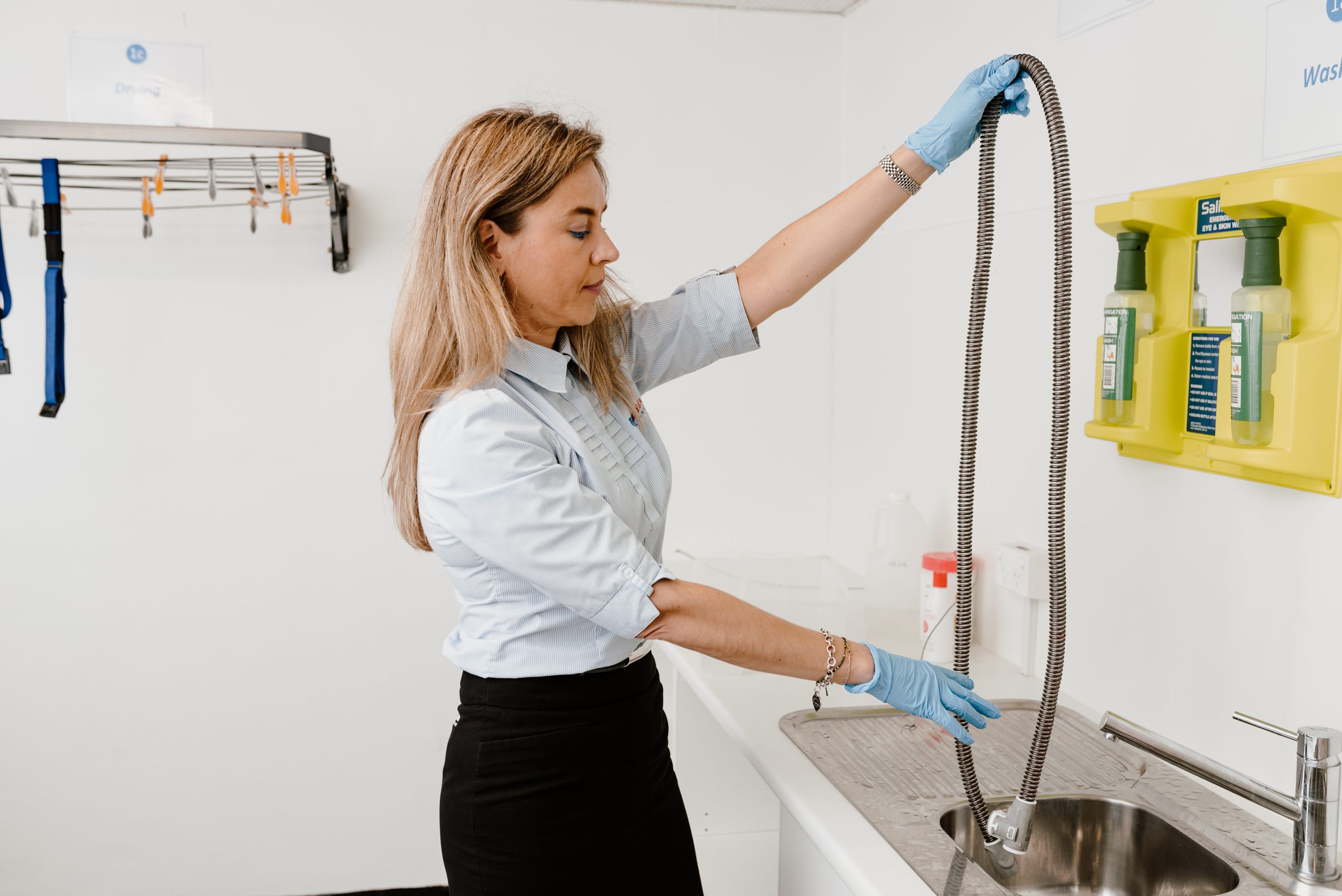
Step 19: Once dry, hang in an area out of direct sunlight. For quicker drying time, attach to your PAP device and turn on. The air flow dry the remaining water residue.