
Obstructive Sleep Apnea
Obstructive sleep apnoea (OSA) is a condition where your airway repeatedly narrows or closes during sleep, briefly stopping your breathing – often hundreds of times a night, usually without you knowing.
Think you have symptoms? Screen yourself in 2 minutesWhat happens when you have OSA
During sleep, the muscles that hold your airway open relax. In OSA, the airway narrows or collapses entirely – airflow stops even though your body keeps trying to breathe. Your oxygen level falls, and your brain briefly wakes you to reopen the airway.
These arousals are usually too short to remember, but they fragment your sleep night after night. The result is unrefreshing sleep, daytime exhaustion, and – over time – increased strain on your heart and blood vessels.
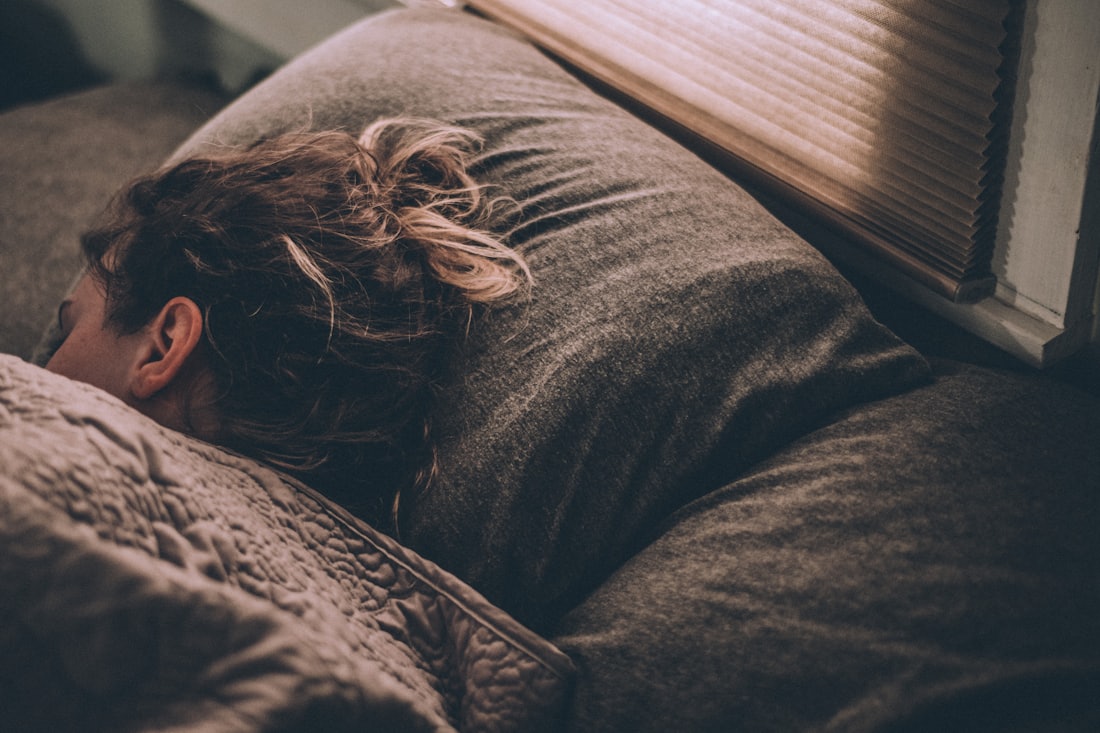
Signs and symptoms
At night
- Loud, persistent snoring
- Pauses in breathing noticed by a partner
- Gasping or choking during sleep
- Restless, broken sleep
- Waking often to use the bathroom
During the day
- Waking unrefreshed, morning headaches
- Excessive daytime sleepiness
- Poor concentration and memory
- Irritability or low mood
- Falling asleep while reading, watching TV or driving
From normal to severe
Severity is graded by the Apnoea–Hypopnoea Index (AHI) – the number of breathing events per hour of sleep.
How OSA is diagnosed
Screen yourself
Take our free 2-minute screen to understand your risk of sleep apnoea.
Start the screenGP referral
Email the referral form and take it to your GP to discuss your results.
Referral processHome sleep study
Sleep in your own bed while a small device records your breathing, oxygen levels and impact of brain waves.
How sleep testing worksTreatment options
CPAP therapy
A gentle stream of air keeps your airway open all night. The most effective treatment for moderate to severe OSA.
Learn more →Lifestyle changes
Weight management, reducing alcohol before bed and quitting smoking can all reduce event frequency.
Learn more →Positional therapy
Some people’s OSA occurs mainly on their back – devices and training can keep you sleeping on your side.
Learn more →OSA in Australia
Australian adults are estimated to have obstructive sleep apnoea – and most remain undiagnosed.1
Indicative prevalence of at least mild OSA. Replace with sourced AIHW / Sleep Health Foundation data before launch.
The tragedy of sleep apnoea is that it’s one of the most treatable conditions in medicine, yet most people who have it don’t know. A single night’s home study can change the next twenty years of someone’s health.
- Benjafield AV, et al. (2019). Estimation of the global prevalence and burden of obstructive sleep apnoea. The Lancet Respiratory Medicine, 7(8), 687–698.
- Deloitte Access Economics (2018). Asleep on the job: costs of inadequate sleep in Australia. Sleep Health Foundation.
- Sullivan CE, et al. (1981). Reversal of obstructive sleep apnoea by continuous positive airway pressure applied through the nares. The Lancet, 317(8225), 862–865.
OSA questions, answered
No – but loud, persistent snoring is the most common warning sign of OSA. Snoring on its own doesn’t involve the breathing pauses and oxygen drops that define sleep apnoea, which is why a sleep study is needed to tell them apart.
Mild OSA sometimes improves with weight loss or a change in sleeping position, but moderate to severe OSA generally requires treatment. Untreated, it tends to worsen over time.
Usually not. Most of our diagnostic studies are Level 2 home sleep studies – you sleep in your own bed while a small device records your breathing, oxygen levels and sleep stages.
CPAP is the gold standard and the most reliably effective treatment, but positional therapy, lifestyle changes, and oral appliances all have a place depending on your severity and circumstances.
Related reading
Worried about your sleep?
Take the free 2-minute screen. If your score indicates high risk, show your results to your GP for a referral and book your study.